



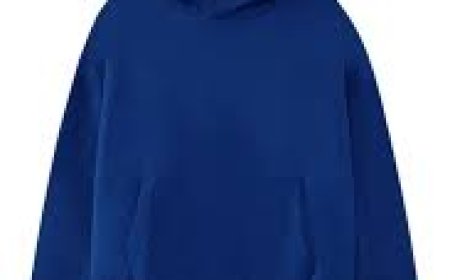











From Idea to Apparel: What It Takes to Launch a Clothing Line

Starting a clothing line is a dream many creatives and entrepreneurs share. But turning that vision into a real, tangible brand involves much more than a love for fashion. It requires a blend of creative vision, strategic planning, financial investment, and relentless perseverance. Whether youre inspired by high fashion, streetwear, or sustainable basics, this guide walks you through every major step in launching a successful clothing brandfrom sketching your first design to seeing your apparel worn in the real world.
In this article, well outline the critical steps needed to transform an idea into a thriving fashion business, using examples, practical advice, and insider tips. A great example of how a brand can represent identity, purpose, and passion isFresh Love Clothing, a label that merges style with values and creative authenticity.
1. Define Your Brand Identity
Before stitching a single piece of fabric, the first and most crucial step is defining your brand identity. Your brand is not just a logo or a nameits your story, your voice, and your purpose. Ask yourself:
-
Who is your target customer?
-
What do you want your clothing line to represent?
-
Are you focused on sustainability, luxury, affordability, or niche aesthetics?
The answers to these questions will shape your designs, marketing, and overall business strategy. A well-defined brand identity sets the tone for everything that follows and helps your label stand out in a saturated market.
2. Conduct Market Research
Understanding your market is vital for survival and success. Research your competitorsstudy their pricing, styles, materials, and marketing approaches. Then, identify gaps or opportunities they might have missed. Ask potential customers for their preferences, buying habits, and unmet needs.
Youll also need to choose your market segment:
-
Luxury fashion: Premium prices, exclusive materials.
-
Streetwear: Trendy, edgy, youth-driven styles.
-
Sustainable fashion: Eco-friendly production with ethical values.
-
Fast fashion: Affordable, trend-forward pieces with fast turnarounds.
Thorough research reduces the risk of launching a product that doesn't resonate with your intended audience.
3. Develop a Business Plan
Your business plan is your roadmap. It outlines your goals, budget, operations, marketing strategy, and growth projections. A good business plan helps you:
-
Secure investors or funding
-
Stay focused on your goals
-
Make informed decisions when challenges arise
Your plan should include:
-
Executive summary
-
Brand overview
-
Product line
-
Market analysis
-
Sales strategy
-
Manufacturing and logistics
-
Financial forecasts
Clarity in your business plan increases your chances of long-term success.
4. Design Your Collection
Once your strategy is in place, its time to let your creativity flow. Start by designing your first collectionthis could be a capsule of a few versatile pieces or a full seasonal line. Each piece should reflect your brand identity and appeal to your ideal customer.
You dont have to be a trained fashion designer to create a collection. You can:
-
Sketch by hand or use design software (like Adobe Illustrator or CLO 3D)
-
Hire freelance designers to bring your vision to life
-
Partner with fashion design students or collaborators
Ensure consistency across designs in terms of color palette, fabric types, and overall aesthetic. Remember: your first collection is your brands introduction to the world. Make it count.
5. Choose the Right Fabrics and Materials
Fabric selection isnt just about appearanceits about function, feel, cost, and sustainability. Think carefully about the materials that best represent your brand. For instance, if your brand promotes eco-consciousness, you might use organic cotton, bamboo fabric, or recycled polyester.
Also, consider:
-
Durability and washability
-
Comfort and breathability
-
Supplier availability and pricing
Sample several fabrics before finalizing decisions. Fabric sourcing is one of the most hands-on and critical stages of the process.
6. Find a Manufacturer
Turning your sketches into wearable clothing requires finding a manufacturer who understands your vision and can produce high-quality garments. When choosing a manufacturing partner, look for:
-
Experience in your type of apparel (streetwear, lingerie, outerwear, etc.)
-
Transparent pricing
-
Reliable timelines
-
Ethical labor practices
-
Good communication and flexibility
You can choose domestic or overseas manufacturers. Domestic production often means quicker turnarounds and easier communication, but it might cost more. Overseas options can be more affordable but may require more coordination and shipping time.
Start small with a sample run before committing to a full production order.
7. Create a Prototype or Sample Collection
Once you've selected your manufacturer, produce a small number of samples or prototypes. These allow you to test the fit, quality, stitching, and design before full-scale production.
Prototypes help you:
-
Identify any necessary design adjustments
-
Conduct wear tests and gather feedback
-
Use for marketing, pre-sales, or lookbooks
Make sure your samples are as close as possible to your final product. Attention to detail here can save money and brand reputation down the line.
8. Pricing and Positioning
Setting the right price is both an art and a science. Youll need to factor in:
-
Cost of production
-
Packaging and shipping
-
Marketing and overheads
-
Desired profit margin
-
Customer willingness to pay
Position your brand correctlyluxury brands can charge a premium, but the product and experience must justify it. Lower-cost items should still offer excellent value and quality.
Avoid pricing too low, which can devalue your product, or too high without brand equity to back it up.
9. Build Your Brands Visual Identity
Your visual identity includes your logo, website, product tags, packaging, and overall aesthetic. These elements must align with your brands values and attract your ideal audience.
A strong brand image can include:
-
A unique, memorable logo
-
A professional-looking website with e-commerce functionality
-
Branded packaging (boxes, tissue paper, thank-you cards)
-
Social media visuals and color schemes
Invest in good designit builds trust and leaves a lasting impression.
10. Plan Your Marketing Strategy
Marketing is what puts your clothing line in front of the world. Even the best product can fail without visibility. Develop a marketing plan that includes:
-
Social media (Instagram, TikTok, Pinterest)
-
Influencer collaborations
-
Email marketing
-
Content creation (behind-the-scenes, styling tips, founder stories)
-
Pop-up shops or fashion events
Start building anticipation before your official launch. Share sneak peeks, behind-the-scenes moments, or your founder journey to create emotional connections with your audience.
11. Set Up Sales Channels
Decide how youll sell your clothing:
-
E-commerce store: Use platforms like Shopify, WooCommerce, or BigCommerce
-
Marketplaces: Etsy, Depop, or Amazon
-
Physical retail: Local boutiques or your own pop-up stores
-
Social media shopping: Instagram Shop and Facebook Store
Each sales channel has pros and cons in terms of visibility, costs, and control. Many startups begin online to minimize overhead and reach a broader audience.
Make sure your website is mobile-friendly, fast, and easy to navigate with secure payment gateways.
12. Launch!
The moment youve been working towardlaunch day! Whether its a soft launch to a small group or a full-scale release, make it memorable. Announce it with strong visuals, engaging copy, and clear calls to action. Offer limited-time promotions to boost early sales and reviews.
Stay active in replying to customer messages, monitoring sales performance, and collecting feedback.
13. Learn, Improve, and Expand
After your launch, take time to reflect. Analyze sales data, monitor customer feedback, and look for trends:
-
Which pieces sold the most?
-
What were the common compliments or complaints?
-
Are there markets you havent tapped into yet?
Use this information to fine-tune future collections, enhance marketing strategies, and improve production efficiency. Reinvest wisely and consider gradual expansionnew products, seasonal lines, or collaborations.
Final Thoughts
Launching a clothing line is not just about styleits about substance. It takes a mix of creativity, strategy, dedication, and resilience. But with a clear vision, strong planning, and passion, your idea can grow from a single sketch into a successful apparel brand worn proudly by people around the world.
Whether youre creating for expression, culture, activism, or aesthetics, your clothing line is a canvas. With thoughtful execution and heart, your dream can become part of the fabric of someone elses story.