
















Is Moderate Drinking Actually Safe?
While occasional drinking might not seem harmful, the risks—even at low levels—are real and cumulative. It’s time to challenge old beliefs and adopt a more informed, cautious approach to alcohol consumption.


For decades, moderate drinking has been framed as socially acceptableeven healthy in some circles. A glass of wine at dinner or a beer with friends is often seen as harmless. But is it really safe? Or does moderate alcohol consumption pose risks that are often overlooked?
This blog post explores what moderate drinking means, its potential effects on physical and mental health, and the rising global concerns. Well also look at how institutions like Nasha Mukti Kendra in Jammu are playing a crucial role in helping people reevaluate their relationship with alcohol and offering professional support when occasional drinking crosses the line.
What Is Moderate Drinking?
Moderate drinking is often defined by health authorities as:
-
Men: Up to two standard drinks per day
-
Women: Up to one standard drink per day
A "standard drink" usually contains around 14 grams of pure alcoholequivalent to one 12-ounce beer, one 5-ounce glass of wine, or a 1.5-ounce shot of spirits.
Its important to understand that moderate doesnt mean safe for all. The effects of alcohol vary based on genetics, age, mental health, existing medical conditions, and medications.
The Perceived Benefits of Moderate Drinking
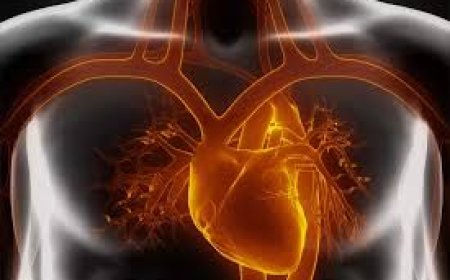
Some studies in the past suggested that light drinkingparticularly red winemight have cardiovascular benefits. These claims were based on compounds like resveratrol, believed to be good for heart health.
However, newer and more comprehensive research challenges these findings, showing that:
-
The cardiovascular benefits are minimal at best
-
Even small amounts of alcohol can increase cancer risk
-
Any potential benefit can often be achieved through safer methods like exercise and diet
In other words, you dont need alcohol to stay healthy, and any benefits it might offer come with significant trade-offs.
The Risks of Moderate Drinking
Even when consumed within recommended limits, alcohol still poses several risks:
1. Increased Cancer Risk
Alcohol is classified as a Group 1 carcinogen by the World Health Organization. Even moderate drinking can increase the risk of breast, liver, and esophageal cancers.
2. Liver Damage
Regular alcohol intakeeven at low levelscan affect liver function over time. Fatty liver disease is often a precursor to more serious liver issues.
3. Mental Health Issues
Many people use alcohol as a way to manage stress or anxiety. Ironically, alcohol can cause or worsen mental health disorders. Facilities like Nasha Mukti Kendra in Jammu often treat individuals who began as moderate drinkers but developed deeper emotional dependence.
4. Dependency Development
The line between moderate drinking and addiction is thin. Tolerance builds over time, leading individuals to consume more without realizing theyre entering dangerous territory.
5. Impaired Judgment and Accidents
Even small amounts of alcohol can impair judgment, reaction time, and coordinationraising the risk of accidents, especially when driving or operating machinery.
Is There a Safe Level of Alcohol?
Recent global researchincluding guidelines from the World Health Organizationsuggests there is no completely safe level of alcohol consumption. Unlike certain foods or supplements, alcohol doesnt offer health benefits that outweigh its risks.
The phrase moderate drinking is safe is being reconsidered by medical experts worldwide, especially given the increase in alcohol-related health conditions.
Social and Cultural Pressures Around Drinking
In many cultures, refusing a drink can be seen as antisocial or odd. Celebrations, dinners, and even professional gatherings often revolve around alcohol. This normalization can blur the boundaries between occasional and habitual drinking.
Facilities like Nasha Mukti Kendra in Jammu have witnessed firsthand how these societal expectations push individuals into drinking patterns that eventually become harmful. Education and awareness are key in helping communities reframe how they view alcohol.
When to Seek Help
If you or someone you know is:
-
Drinking daily, even in small amounts
-
Using alcohol to cope with stress, sleep, or emotions
-
Finding it hard to stop or cut back
-
Experiencing strained relationships due to drinking
-
Hiding or lying about drinking habits
it might be time to consult professionals. Addiction doesnt always begin with binge drinking. It can start subtly, under the mask of moderation.
Nasha Mukti Kendra in Jammu provides confidential, supportive, and medically supervised treatment options for individuals at all stages of alcohol usewhether theyre just concerned about their habits or already struggling with dependency.
What Happens at a Nasha Mukti Kendra?
At Nasha Mukti Kendra in Jammu, the recovery journey typically includes:
-
Initial assessment & counseling
-
Medical detox (if required)
-
Therapy sessions (individual and group)
-
Family counseling
-
Life skills training
-
Aftercare & relapse prevention
The goal is not just to eliminate alcohol from a persons life but to rebuild itwith purpose, self-respect, and stability.
Alternatives to Moderate Drinking
If you're looking to unwind or celebrate without alcohol, consider:
-
Mocktails and non-alcoholic beverages
-
Physical activity like yoga or walking
-
Journaling or creative outlets
-
Meditation or mindfulness apps
-
Social activities that don't involve alcohol
These healthy alternatives can help manage stress, foster joy, and support mental healthwithout the hidden risks of alcohol.
Conclusion
So, is moderate drinking actually safe?
For those who are questioning their relationship with alcohol or need support, places like Nasha Mukti Kendra in Jammu offer professional care in a non-judgmental environment. Recovery and reflection dont require you to hit rock bottomthey start the moment you decide to make a change.