















How to Bike with Trailers on the Paseo del Bosque Albuquerque
How to Bike with Trailers on the Paseo del Bosque in Albuquerque The Paseo del Bosque in Albuquerque is one of the most cherished urban trail systems in the Southwest, stretching over 16 miles along the Rio Grande. With its shaded cottonwood canopy, serene river views, and well-maintained asphalt surface, it’s a magnet for cyclists, joggers, and families seeking outdoor recreation. For many, bikin

How to Bike with Trailers on the Paseo del Bosque in Albuquerque
The Paseo del Bosque in Albuquerque is one of the most cherished urban trail systems in the Southwest, stretching over 16 miles along the Rio Grande. With its shaded cottonwood canopy, serene river views, and well-maintained asphalt surface, its a magnet for cyclists, joggers, and families seeking outdoor recreation. For many, biking with a trailerwhether for transporting children, pets, groceries, or gearis an essential part of enjoying this scenic route. But navigating a trailer on a shared-use path requires more than just attaching a device to your bike. It demands awareness, technique, and preparation to ensure safety, efficiency, and respect for others sharing the trail.
This guide provides a comprehensive, step-by-step roadmap for biking with trailers on the Paseo del Bosque. Whether youre a first-time trailer user or looking to refine your skills, this tutorial covers everything from equipment selection and trail etiquette to real-world scenarios and troubleshooting. By the end, youll have the knowledge and confidence to ride safely, comfortably, and responsibly on one of Albuquerques most beloved corridors.
Step-by-Step Guide
1. Choose the Right Trailer for Your Needs
Not all trailers are created equal. The first step in biking with a trailer on the Paseo del Bosque is selecting one that matches your intended use. There are three primary types:
- Child trailers Enclosed, with safety harnesses, ventilation, and rollover protection. Ideal for kids aged 16.
- Pet trailers Lightweight, mesh-sided, and often collapsible. Designed for dogs and small animals.
- Cargo trailers Open or covered, with high weight capacity. Used for groceries, camping gear, or tools.
For the Paseo del Bosque, where the trail is relatively flat but occasionally crowded, a low-center-of-gravity trailer with a wide wheelbase is ideal. Look for models with:
- 57 inch wheels (larger than standard bike wheels) for smoother rides over cracks and gravel patches
- Quick-release hitch systems for easy attachment and detachment
- Reflective materials and flags for visibility
- Braking systems (optional but recommended for heavy loads)
Popular brands like Burley, Thule, and Chariot offer models specifically designed for urban trail use. Avoid cheap, unbranded trailers with flimsy frames or poor wheel alignmentthey increase the risk of tipping or detachment.
2. Inspect Your Trailer and Bike Before Each Ride
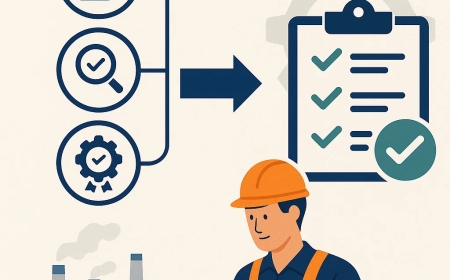
Before heading out, conduct a quick safety checklist:
- Check the trailer hitch for tightness and wear. Ensure it clicks securely into the bikes rear axle or seat post.
- Spin the trailer wheels to confirm they rotate freely without wobbling.
- Test the brake system if your trailer has oneapply pressure and ensure it engages smoothly.
- Inspect tire pressure. Trailers often require higher PSI than bike tires (check manufacturer specsusually 4065 PSI).
- Confirm all straps, buckles, and harnesses are intact and functional.
- Ensure your bikes rear rack, axle, or dropout isnt cracked or bent under stress.
Never assume a trailer is safe just because it worked yesterday. Small cracks, loose bolts, or worn bearings can lead to failure mid-ride. A five-minute inspection can prevent a serious accident.
3. Attach the Trailer Correctly
Most trailers connect via one of three methods:
- Axle mount Clamps onto the rear axle. Most secure, but requires removing the wheel.
- Seat post mount Attaches under the seat. Easier to install but may sway if overloaded.
- Frame mount Bolts to the chainstay or dropout. Common on cargo trailers.
For the Paseo del Bosque, an axle mount is recommended due to the trails length and occasional uneven surfaces. Follow these steps:
- Shift your bike into the smallest rear cog to reduce chain tension.
- Loosen the rear quick-release or axle nuts and slide the trailer hitch into place.
- Re-tighten the axle securely. Use a torque wrench if availableover-tightening can damage the dropout.
- Adjust the hitch arm so the trailer sits level with the ground and aligns directly behind the bike.
- Test the connection by gently pulling the trailer sideways. There should be no lateral movement.
Always test the hitch with a light load before loading children or heavy items. A loose connection can cause the trailer to swing unpredictably, especially around turns.
4. Load the Trailer Properly
Weight distribution is critical. An improperly loaded trailer can make your bike difficult to steer, increase stopping distance, or even cause a rollover.
- Center the load Place heavier items directly over the trailers axle. Avoid stacking high or leaning items to one side.
- Secure everything Use bungee cords, straps, or nets to prevent shifting. Even a loose water bottle can become a projectile.
- Keep it low Higher loads raise the center of gravity, making the trailer more prone to tipping in crosswinds or on curves.
- Balance weight If carrying two children, ensure theyre seated symmetrically. For cargo, distribute weight evenly left-to-right.
Most trailers have a maximum capacity of 75100 lbs. Never exceed it. Overloading strains your bikes rear wheel, frame, and braking system, especially on downhill sections near the Bosques riverbanks.
5. Adjust Your Riding Technique
Riding with a trailer changes how your bike handles. Heres how to adapt:
- Wider turns Give yourself extra space when turning. The trailer follows a wider arc than your rear wheel. On the Paseo, where the path narrows near tree roots or benches, plan your turns early.
- Slower speeds Reduce speed on curves, intersections, and crowded zones. Trailers add inertia and increase stopping distance by 2040%.
- Brake earlier Use both front and rear brakes gently. Sudden braking can cause the trailer to jackknife or push your bike forward.
- Anticipate wind The Bosques open stretches along the river can create gusts. Keep a firm grip and avoid sudden corrections.
- Use hand signals Extend your arm to indicate turns, even if you think no one is behind you. Trail users may not hear you coming.
Practice in an empty parking lot first. Get comfortable with how your bike responds when pulling extra weight. Once youre confident, take short rides on the Paseo during off-peak hoursearly mornings or weekdaysto build experience.
6. Navigate the Trails Key Sections
The Paseo del Bosque isnt uniform. Different sections require different approaches:
- North Valley to Barelas (05 miles) This stretch is wide and mostly flat. Ideal for beginners. Watch for pedestrians near the Albuquerque BioPark.
- Albuquerque BioPark (57 miles) High foot traffic. Slow down, use a bell or voice to alert others, and avoid passing on blind corners.
- South of I-25 (712 miles) Narrower, with tree roots and occasional gravel. Keep speed low and eyes forward. Avoid riding over rootstrailers can catch and flip.
- South Valley to the River (1216 miles) Popular with families. Be extra cautious near playgrounds and picnic areas. Watch for children darting into the path.
Use trail markers and mileposts to gauge your location. Many sections have rest areas with water fountains and benchesideal for taking breaks with your trailer load.
7. Detach and Store the Trailer Safely
When you reach your destination, detach the trailer properly:
- Stop completely on level ground.
- Engage your bikes kickstand or lean it against a stable surface.
- Release the hitch mechanism slowly. Do not yank.
- Store the trailer upright, away from foot traffic.
- If leaving it unattended, lock the trailer to a fixed object with a cable lock.
Never leave a trailer with children or pets inside while unattendedeven for a minute. Temperatures can rise quickly in enclosed trailers, even in shade.
Best Practices
1. Ride During Off-Peak Hours
The Paseo del Bosque sees peak traffic on weekends from 10 a.m. to 4 p.m. and during spring and fall months. To ride with a trailer safely:
- Choose weekdays before 9 a.m. or after 6 p.m.
- Avoid holidays like Memorial Day or the Albuquerque International Balloon Fiesta, when trail usage spikes.
- Use the Paseos official trail app or website to check real-time usage maps.
Less congestion means fewer surprises, smoother turns, and more space to maneuver.
2. Use Visibility Aids
Trailers are low to the ground and can be hard to see, especially in dappled shade. Enhance visibility with:
- A tall, fluorescent flag (at least 4 feet high) mounted on the trailer
- Reflective tape on the frame and wheels
- LED lights (front and rear) for early morning or evening rides
- A bell or horn thats loud enough to be heard over wind and traffic
Many child trailers come with flags, but if yours doesnt, purchase a universal trailer flag from a bike shop. Its one of the most effective safety upgrades you can make.
3. Communicate with Trail Users
The Paseo is a shared-use path. Not everyone expects a trailer behind a bike. Always:
- Announce On your left! before passing, even if youre moving slowly.
- Slow down when approaching groups, dogs, or joggers.
- Yield to pedestrians and runnersthey have the right of way.
- Use your voice, not just your bell. A friendly Hi, coming through! is more effective than a sharp ring.
Respectful communication builds goodwill and reduces conflict. Trail users are more likely to accommodate you if youre courteous.
4. Dress Appropriately
Even if youre just biking to the grocery store, wear gear suited for safety and comfort:
- Helmet (mandatory for children in trailers, highly recommended for adults)
- Reflective vest or bright clothing
- Comfortable, closed-toe shoes
- Sunglasses and sunscreenAlbuquerques UV index is high year-round
- Hydration pack or water bottle holder on your bike
Children in trailers should wear helmets even if seatedsudden stops or bumps can cause head injuries. Use a helmet designed for toddlers with proper chin straps.
5. Know the Rules of the Paseo
The City of Albuquerque enforces specific rules on the Paseo del Bosque:
- Speed limit: 15 mph (enforced with signage and patrols)
- No motorized vehicles (including e-bikes above 20 mph)
- Stay to the right unless passing
- No dogs off-leash
- Prohibited: skateboards, scooters, and rollerblades on the main paved path (use adjacent dirt trails)
Violating these rules can result in citations. Always follow posted signs and respect trail ambassadors who patrol the route.
6. Prepare for Weather and Emergencies
Albuquerques climate is dry, but sudden storms, wind, or heat waves can occur:
- Carry a small repair kit: spare tube, tire levers, mini-pump, and multi-tool
- Bring water for yourself and your trailer passengers
- Check the forecastwind speeds over 20 mph can make trailer riding hazardous
- Have a plan for shade breakscarry a small towel or cooling bandana for kids
- Know the nearest exits and restrooms (marked on trail maps)
Cell service is generally good along the Paseo, but dont rely on it. Tell someone your route and estimated return time.
Tools and Resources
1. Essential Gear Checklist
Before each ride, ensure you have:
- Trail-capable bike with strong rear dropout
- Trailer with secure hitch and proper tires
- Trailer flag and reflective tape
- LED front and rear lights
- Bike bell or horn
- Helmet(s) for rider and passengers
- Straps or nets for securing cargo
- Mini pump and spare tube
- Water and snacks
- Sunscreen and bug spray
- Small first aid kit
2. Recommended Trailers for the Paseo
Based on user reviews and local bike shop recommendations, these models are ideal for Albuquerques trail conditions:
- Burley Bee Lightweight, easy to attach, great for one child or small pets. Price: $450$550
- Thule Chariot Cross 2 All-terrain tires, excellent suspension, convertible to stroller. Price: $800$950
- Chariot Cougar Spacious, ventilated, excellent for two kids. Price: $750$850
- Weehoo iGo Unique single-wheel design, great for narrow paths. Price: $500$600
- Allen Sports Deluxe 2-Child Trailer Budget-friendly, durable, good for cargo. Price: $300$400
Local shops like Albuquerque Bicycle Company and Trailhead Bikes offer demo rides and expert advice.
3. Trail Maps and Apps
Use these digital tools to navigate the Paseo del Bosque:
- Albuquerque Trails App Official city app with real-time trail conditions, restrooms, and parking locations
- Trailforks User-submitted reviews of trail surface quality and congestion levels
- Google Maps (Bike Layer) Shows elevation changes and trail access points
- AllTrails Photos and recent user reports from fellow trailer riders
Download offline maps before heading outcell service can drop near the riverbanks.
4. Local Support and Events
Join the Albuquerque Bicycle Coalition for:
- Free trailer safety workshops (held monthly at the Rio Grande Nature Center)
- Family bike rides on the Paseo (every second Saturday)
- Trail ambassador volunteer opportunities
Visit abqbike.org for schedules and registration.
5. Maintenance Tips
Keep your trailer in top condition with monthly care:
- Wipe down the frame with a damp cloth to remove dust and salt residue
- Lubricate the wheel bearings and hitch pivot every 3 months
- Check for rust on metal partssand and paint if needed
- Store indoors or under cover during winter months
- Replace worn tires before they crack or lose tread
Many local bike shops offer trailer tune-ups for under $30.
Real Examples
Example 1: The Family Ride to the BioPark
Maria and David, residents of the North Valley, use their Burley Bee trailer to take their two young daughters to the Albuquerque BioPark every Sunday. They leave at 8 a.m., when the trail is quiet. They attach the trailer using the axle mount, secure the kids with 5-point harnesses, and place a small blanket and water bottle inside. Maria wears a helmet and carries a bell. They ride slowly through the BioPark section, announcing Coming through! before passing joggers. After visiting the zoo, they stop at the shaded picnic area near the Rio Grande, lock the trailer to a bench, and enjoy lunch. Its our favorite family ritual, Maria says. The trailer lets us bring everything we needand the kids nap on the way back.
Example 2: The Grocery Run
Carlos, a downtown resident, uses his Allen Sports cargo trailer to haul weekly groceries. He loads his bike with two large reusable bags, placing heavier items like canned goods and water bottles near the axle. He avoids riding during lunch hour and sticks to the west side of the trail to avoid crowds. He uses a bright orange flag and LED tail light. I used to drive, but now I save money, get exercise, and reduce my carbon footprint, Carlos explains. The trailer holds everythingmilk, bread, even a small plant.
Example 3: The Dog Walker
After adopting her rescue dog, Luna, Elena bought a lightweight pet trailer from Thule. Luna rides comfortably with her favorite toy and a water bowl. Elena avoids the sandy patches near the river and always checks the trailers mesh for tears. Luna loves the breeze, Elena says. She falls asleep halfway through. I used to walk her on a leash, but now we both get more exerciseand shes safer.
Example 4: The Trail Safety Lesson
Last summer, a family riding a cheap, unbranded trailer lost control near the I-25 overpass after hitting a root. The trailer tipped, and the child inside suffered a minor concussion. The incident prompted the city to increase signage and launch a trailer safety campaign. It was preventable, said a city parks official. They were overloaded, didnt have a flag, and were going too fast. We want everyone to enjoy the Paseo safely.
FAQs
Can I ride a trailer on the entire length of the Paseo del Bosque?
Yes. The paved portion of the Paseo del Bosque from the North Valley to the South Valley is fully accessible to trailers. However, some side trails and dirt connectors are not suitable for trailers. Stick to the main asphalt path.
Are trailers allowed on the Paseo during special events?
During large events like the Balloon Fiesta, certain sections of the Paseo may be closed or restricted. Check the citys event calendar before planning your ride. Trailers are generally permitted on non-event days.
How do I know if my trailer is too heavy for my bike?
If your bike feels sluggish, the rear wheel wobbles, or the chain skips under load, your trailer may be overloaded. Most hybrid and commuter bikes can handle up to 100 lbs of trailer weight. Mountain bikes are stronger; road bikes are not recommended.
Do I need a special license or permit to ride with a trailer?
No. No permit is required to ride a trailer on the Paseo del Bosque. However, all riders must follow city trail rules and local traffic laws.
Can I attach two trailers to one bike?
Technically possible, but not recommended on the Paseo. Two trailers create excessive length and instability, especially on curves. Stick to one trailer for safety.
Is it safe to bike with a trailer at night?
Its legal, but not advised unless you have high-quality lights and reflective gear. The Paseo is dimly lit in many areas. Stick to daylight hours for the best visibility and safety.
What should I do if my trailer gets a flat tire on the trail?
Stop safely on the shoulder. Use your repair kit to change the tube. If youre unable to fix it, call a friend or use a ride-share app to meet you. Do not attempt to ride on a flatthis can damage the rim.
Are there trailer-friendly restrooms on the Paseo?
Yes. Restrooms with accessible paths are located near the BioPark, the Rio Grande Nature Center, and the South Valley trailhead. Most have wide doors and paved access.
Can I use a trailer with an e-bike?
Yes, but ensure your e-bikes motor and battery can handle the extra load. Most Class 1 e-bikes (pedal-assist up to 20 mph) are suitable. Avoid Class 2 or 3 e-bikestheyre faster and harder to control with a trailer.
Where can I buy a trailer in Albuquerque?
Local shops like Trailhead Bikes, Albuquerque Bicycle Company, and REI Albuquerque carry new and used trailers. Craigslist and Facebook Marketplace also have occasional listingsalways test ride before buying.
Conclusion
Biking with a trailer on the Paseo del Bosque is more than a convenient way to transport people or goodsits a lifestyle choice that promotes health, sustainability, and family bonding. With its gentle terrain, natural beauty, and community spirit, the Paseo offers one of the most rewarding urban biking experiences in the country. But to fully enjoy it, you must ride with awareness, preparation, and respect.
This guide has equipped you with the technical knowledge to attach, load, and ride your trailer safely. You now understand how to navigate the trails unique challenges, choose the right equipment, and communicate effectively with others. Youve seen real examples of families, commuters, and pet owners making the most of this urban oasis.
Remember: safety isnt optional. A flag, a helmet, a slow turn, a gentle brakethese small actions add up to a safer, more enjoyable experience for everyone. Whether youre hauling groceries, children, or your dog, youre not just riding a bikeyoure contributing to a culture of mindful, community-centered transportation.
So gear up, check your hitch, and head out. The cottonwoods are swaying, the river is whispering, and the Paseo del Bosque is waitingfor you, your trailer, and the journey ahead.